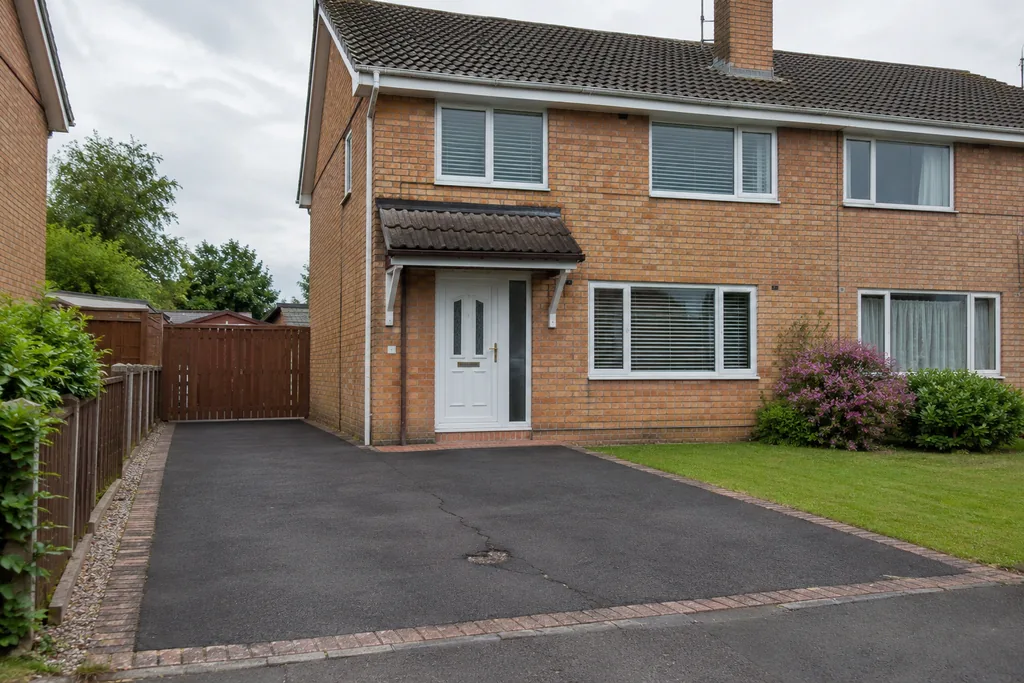
Read the damage
Walk the drive slowly and look at what the damage actually is. The kind of damage tells you more than how bad it looks.
- Hairline cracks. Thin cracks, no wider than a pencil line. They are common on older drives and are often only a surface problem.
- Wide cracks. Cracks you can fit a finger in, or cracks that are getting longer. These suggest the ground underneath is moving.
- Potholes. Holes where the surface has broken out. Water and wheels make them bigger.
- Crumbling edges. The side of the drive breaking away, often where there is no border.
- Sunken patches. A dip that holds water after rain. This points to a problem in the base.
A good rule is to look at the edges and the middle separately. Damage along the edge usually points to a lack of support, while damage in the middle usually points to the ground or the base. Looking at where the damage sits is the quickest way to guess the cause.
Take a photo of each one. It helps when you describe the drive to anyone quoting.
Why tarmac breaks up
Tarmac rarely fails on its own. Something is usually pushing or soaking it from below or the side.
- Water. Rain gets into a crack. In winter it freezes and can widen the gap. Then more water gets in.
- Tree roots. Roots push up from beneath and lift the surface into a ridge.
- Heavy loads. A delivery lorry or a skip can push a soft edge down.
- A weak base. The base is the crushed stone layer under the tarmac. If it was thin or soft, the surface follows it down.
- No support at the edge. Without a border, the edge has nothing holding it in.
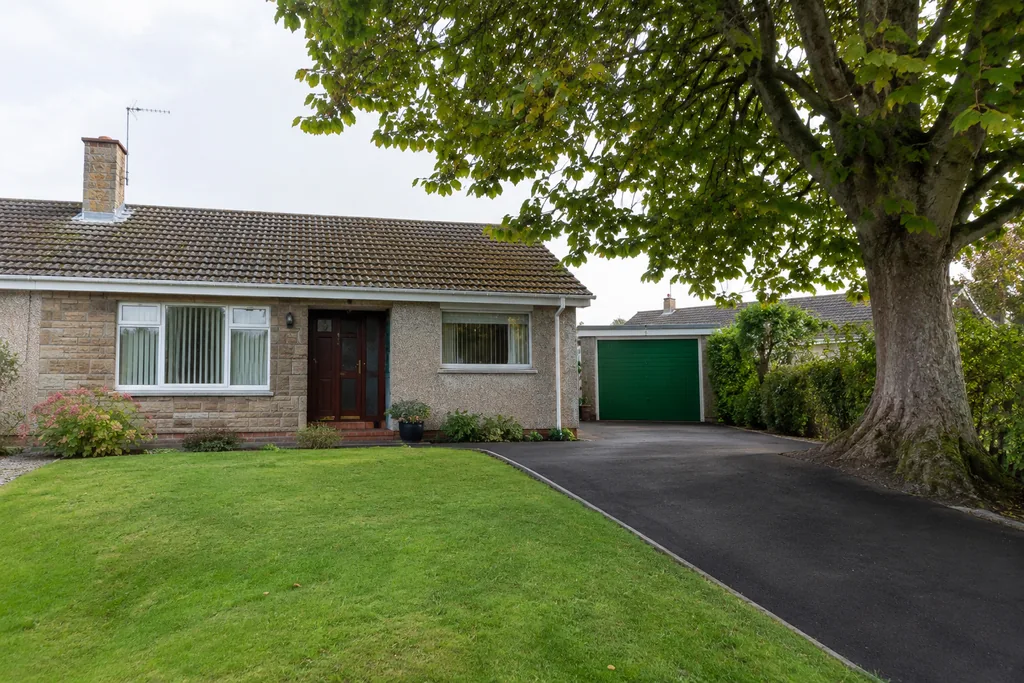
When a patch is enough
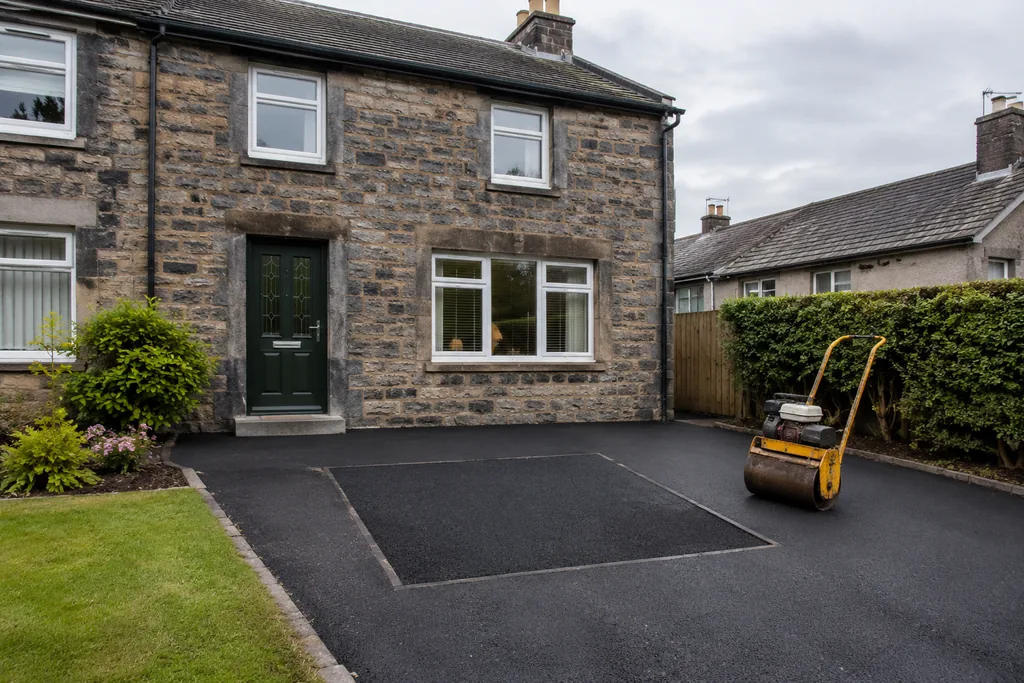
A patch works when the damage is small and in one place, and the drive around it is firm. The repair is simple. The damaged piece is cut out in a neat square, the edges are cleaned, new tarmac is put in, and a roller presses it flat.
Cutting square matters. A ragged hole is harder to seal, and water finds its way along the join. A neat cut gives a clean edge for the new tarmac to meet.
The cause matters as much as the hole. If a pothole has formed because water sits in a dip, filling it without fixing the dip means the hole comes back. A good repair looks at why the surface failed, then fixes that as well as the damage you can see.
A patch will show. New tarmac is darker than old tarmac at first. It fades closer over time, but you will see where the work was done.
When to resurface
Resurfacing means laying a new layer of tarmac over the whole drive. It makes sense when the wear is wide, such as a faded and rough surface, or lots of small cracks, but the base is still sound.
The test is simple. Is the drive flat? Does it hold water? Does it feel solid underfoot? If it is flat and firm, a new surface can go on top. Any dips or soft spots need repairing first, or they will come through the new layer.
Resurfacing adds a little height, which can matter at garage doors and gullies. You can read more on our page about tarmac driveway resurfacing.
When to replace
Sometimes the drive has to come up and be rebuilt. This is the case when the drive sinks in more than one place, feels soft, holds water in large areas, or has deep cracks across it.
Look for the signs together. One sunken patch on a firm drive is a patching job. Three sunken patches, a soft edge and a puddle that never dries is a base problem, and a patch will not hold.
Replacing means digging out the old surface and the weak base, building a new base and laying new tarmac. It is the most work, but it fixes the cause. Covering a failing base with a new surface only hides the problem for a while.
Stopping it coming back
Whichever fix you choose, deal with the cause as well.
- Keep gullies and channels clear of leaves, so water leaves the drive.
- Fit a border where the edge keeps breaking.
- Keep heavy vehicles off soft edges.
- Cut back or remove roots that are lifting the surface.
- Make sure the drive has a fall, which is a slight slope, away from the house.
No tarmac drive looks after itself for ever. These steps give it the best chance.
What to ask for in a quote
Before any work starts, ask the person quoting:
- Is this a patch, a new surface or a rebuild, and why?
- What has caused the damage, and will the quote deal with the cause?
- What happens to the edges, and is a border included?
- Will the new surface be higher, and does that matter at my garage or gullies?
Our tarmac driveway repairs page explains what we do for cracks, potholes and broken edges, and you can call to talk through your own drive.
Questions
Can I fill cracks myself?
Hairline cracks sometimes. Deep cracks and potholes need a proper repair.
Will a repair match the old surface?
Not at first. New tarmac is darker.
How long will a patch last?
It depends on the base and the cause. We do not give a number.
Is it worth resurfacing an old drive?
It depends on the base. See tarmac driveway resurfacing.
Does frost damage tarmac?
Water that gets into a crack and freezes can widen it.